Kia India Plant: $2 Billion Second Factory Set for Anantapur
Kia will build a second Kia India plant in Anantapur with a US$2 billion investment, adding 200,000 vehicles of annual capacity from early 2030.

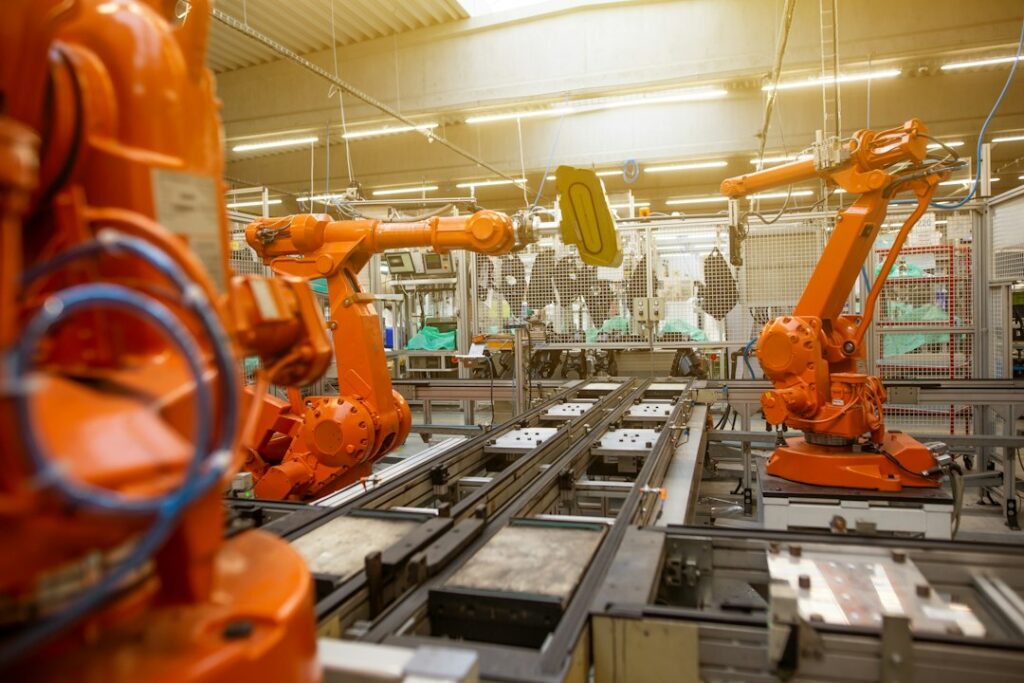
Kia will build a second Kia India plant in Anantapur, Andhra Pradesh, with Kia and its suppliers investing US$2 billion in the project. Kia India signed a memorandum of understanding with the Andhra Pradesh government for the facility, which will have an annual capacity of 200,000 vehicles. Production is scheduled to begin in early 2030.
The South Korean carmaker said the expansion will take its total production capacity in India to more than 600,000 vehicles a year, Yonhap reported. The move deepens the Hyundai Motor Group’s commitment to what Yonhap described as the world’s third-largest automobile market after China and the United States.
Kia India plant: key numbers
The new site covers 465 acres, shared with Kia’s suppliers. It will house stamping, welding, painting and assembly operations, and will build both internal-combustion and electric models. Kia has not yet named the vehicles it will produce there.
The project is expected to create around 12,000 direct and indirect jobs, according to RushLane.
The existing Anantapur facility covers 945 acres and has an annual capacity of 430,000 units. It builds the Seltos, Sonet, Syros, Carens, Carens Clavis, Carnival and Sorento.
The first plant also produces the Syros EV, the Carens Clavis EV and the Sorento Hybrid, along with CNG versions of the Carens models. It supports 24,237 direct and indirect jobs, according to RushLane.
Gwanggu Lee, Managing Director and CEO of Kia India, framed the investment as a long-term bet. “India is central to Kia’s long-term growth ambitions,” he said. He added: “Our second manufacturing plant marks a significant new chapter.”
Background: Kia’s rise in India
Kia entered India with its first Anantapur plant, which began production in 2019. Its line-up there has since grown to seven models, from the Sonet and Syros to the Carnival and the newly launched Sorento.
The company has set out an ambitious roadmap. Kia India is targeting annual sales of about 410,000 vehicles and a 7.6% market share by 2030. It plans 10 models by 2030, eight of them electrified in some form, and is developing a strong-hybrid version of the Seltos.
The second plant fits a wider group strategy. In October, Hyundai Motor Group announced plans to invest US$15.5 billion in India through 2032. Group Executive Chair Euisun Chung attended the inauguration of Hyundai’s new plant in Pune on 14 October.
Why it matters for Korea and Asia
For South Korea’s auto industry, India has become a central pillar of overseas growth. The Hyundai group’s combined pledges show how heavily it is betting on the market. Korean groups are expanding abroad in other sectors as well, as the Samsung Fire Canopius deal showed. India offers both a large base of domestic buyers and a platform for exports.
The Kia India plant also strengthens the Hyundai group’s position against its rivals in India. More capacity allows Kia to add models, including hybrids and electric vehicles, without stretching its existing factory.
For investors in Kia, the project adds a further layer of capital spending. However, the staggered timeline, with output not due until 2030, spreads the cost over several years. The supplier share of the investment also reduces the burden on Kia itself.
The expansion matters for Asia’s auto supply chain as well. Kia’s two Anantapur sites, with more than 1,400 acres between them, are drawing component makers to Andhra Pradesh. That deepens the supplier base for India’s wider automotive industry.
What happens next
Kia now needs to convert the memorandum of understanding into land allocation, approvals and construction. The company has not disclosed which models the new Kia India plant will build, or how output will be split between domestic sales and exports.
Product decisions are likely to follow its electrification plan. The planned Seltos strong hybrid will be an early test of demand for Kia’s electrified line-up in India. Further hybrid and electric launches are planned before the second plant starts production.
Also Read: Top 10 Renewable Energy Companies in India (2026) | Tata Power Q2 Results: Profit Attributable to Shareholders Up 48.6%
Investors will watch how Kia India’s sales track against its 2030 targets. The new capacity only pays off if demand keeps growing at the pace the company expects.