Bank Indonesia Rate Decision in Focus as IHSG Ends Lower
The Bank Indonesia rate decision on 18 November is in focus after the IHSG closed 0.44% lower on Monday, following a 5.82% weekly rally and MSCI jitters.

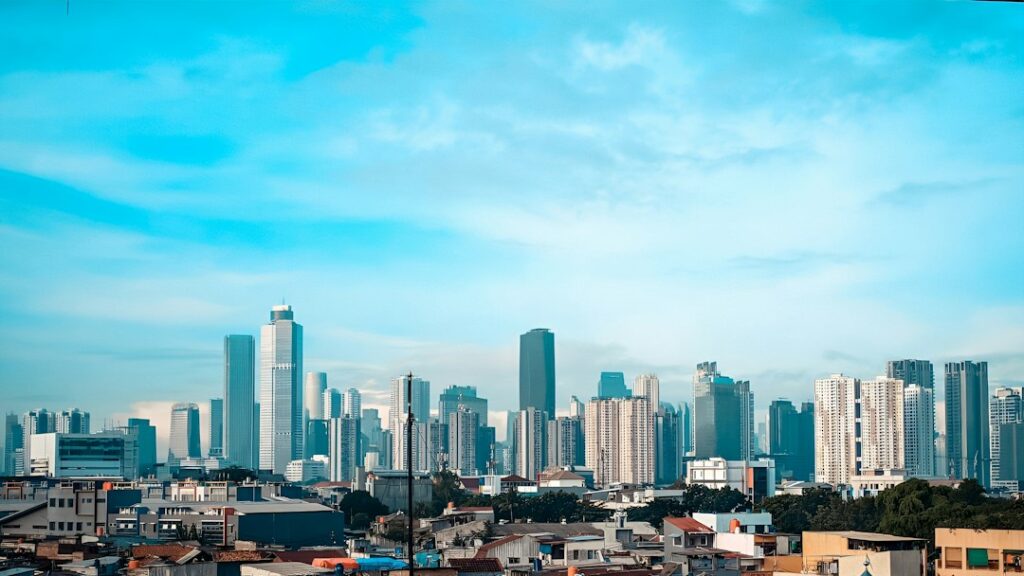
Indonesian shares ended Monday lower as investors turned to this week’s Bank Indonesia rate decision, due on Wednesday, 18 November. The Jakarta Composite Index (IHSG) closed down 0.44% at 5,320.98 on 16 November, after opening at 5,335.44 and following a 5.82% rally last week, CNBC Indonesia reported.
The index touched a high of 5,355.60 early in the session before selling pushed it to a low of 5,272.47 ahead of 10:00 a.m. Jakarta time. It recovered only in the final minutes of trade. Turnover for the day reached about Rp10.35 trillion (around US$575 million).
Bank Indonesia rate decision splits analysts
Analysts are divided on what the central bank will do at its two-day Board of Governors meeting on 17 and 18 November. The policy rate stands at 5.75%, after cumulative increases of 100 basis points in May and June. Imam Gunadi, equity analyst at Indo Premier Sekuritas, expects Bank Indonesia to hold it, with the rupiah trading near Rp18,000 per US dollar, ANTARA reported.
Maximilianus Nicodemus, associate director at Pilarmas Investindo Sekuritas, said a 25-basis-point increase to 6% is possible. Rully of Mirae Asset Sekuritas also expects a hold but told Kontan a hike to 6% remains quite possible. Analysts point to the same pressure: rising expectations of a US Federal Reserve rate hike in December.
Markets are pricing in a strong chance of a Fed hike at its 9 December meeting, according to CME FedWatch data cited by ANTARA. Several Fed officials have argued for further increases of 25 to 50 basis points. Gunadi said this leaves Bank Indonesia limited room to ease.
A volatile rebound after the MSCI shock
Last week’s gain was large. The IHSG closed at 5,344.41 on 13 November, up from 5,050.43 a week earlier, IDN Times reported, citing exchange data. Average daily transaction value more than doubled to Rp23.70 trillion (about US$1.3 billion), and market capitalisation rose 3.47% to Rp9,047 trillion.
Domestic participation has held up through the turmoil. The exchange said at a 10 November outlook seminar that average daily stock trading value in 2026 had risen 11.34% to Rp20.11 trillion, with the investor base reaching 33.8 million.
The rebound follows heavy selling since late October. That came after MSCI’s 16 October proposal to reclassify Indonesia’s market as a standalone market. Suahasil Nazara of the Finance Ministry told a press conference on 13 November that market credibility depends on sound economic and budget management.
Foreign investors have not followed local buyers back. They were net sellers of Rp229.77 billion on Friday, taking net equity outflows for 2026 to Rp97.63 trillion (about US$5.4 billion), according to IDN Times.
There was some relief on 13 November. FTSE Russell kept Indonesia’s Secondary Emerging Market status and did not place it on its watch list, ANTARA reported, although it removed 14 Indonesian stocks from a global index. FTSE will also keep restrictions on new listings, free-float increases and segment changes until at least its March 2027 review.
Exchange tightens ownership rules
The Indonesia Stock Exchange is also reshaping the market. Its High Shareholding Concentration (HSC) committee dropped a Rp5 trillion market-value threshold from its screening method. A stock now qualifies if ten or fewer shareholders control at least 92.5% of its shares.
The change added 300 stocks to the list, bringing the total to 383. Listed HSC stocks were removed from the IHSG calculation from 13 November, Bisnis.com reported. The exchange says HSC status does not mean a company has weak fundamentals. The exchange and the Financial Services Authority (OJK) plan to improve ownership transparency and gradually raise the minimum free float to 15%.
Why it matters and what comes next
For investors across Asia, Indonesia has become a test of how quickly a large emerging market can repair confidence after an index provider’s warning. MSCI’s November index review added to that pressure. The Bank Indonesia rate decision will show whether policymakers see the rupiah, now near Rp18,000 per dollar, as the bigger risk. It will also matter for Indonesia’s largest banks, whose shares carry heavy index weight.
The calendar is busy. Credit growth data is due on 18 November, the same day as the rate decision. Third-quarter foreign direct investment figures follow on 20 November. MSCI’s November index changes take effect on 1 December, and MSCI plans to consult on Indonesia’s possible reclassification by June 2027 at the latest.