PSEi Six-Year Low: Index Ends at 5,477.91 on 19 November
The PSEi six-year low deepened on 19 November as the index fell 0.62% to 5,477.91, its weakest close since May 2020, amid stagflation and Fed worries.

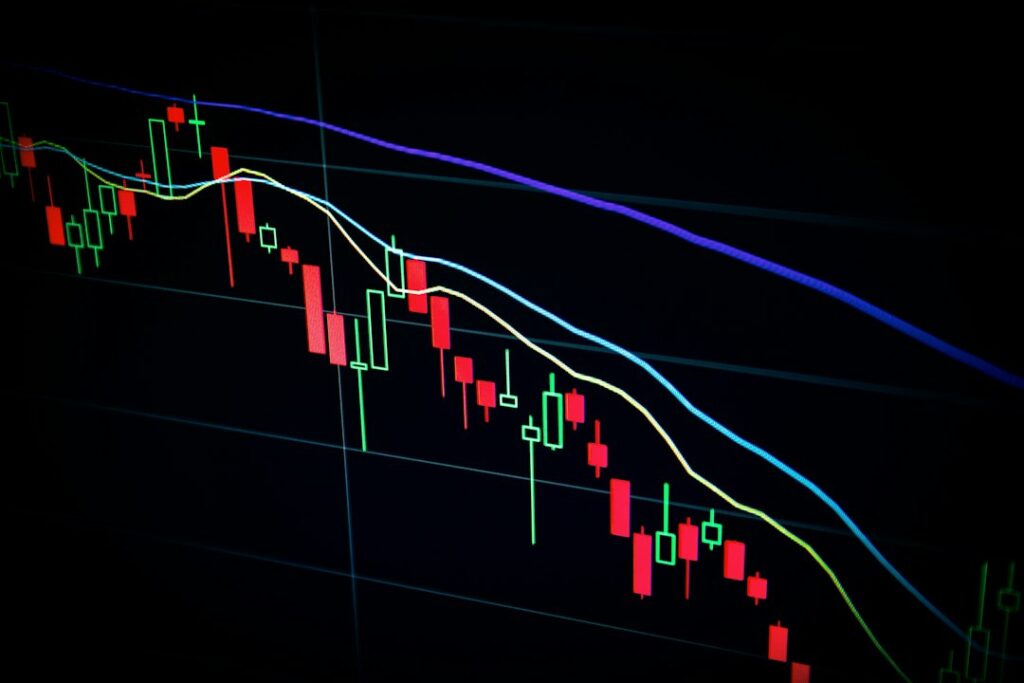
The Philippine Stock Exchange index (PSEi) closed at a fresh six-year low on Thursday, 19 November, wiping out a two-day rebound. The index fell 33.93 points, or 0.62%, to 5,477.91, according to the Daily Tribune. The new PSEi six-year low is below Monday’s close of 5,481.88 and the 18 May 2020 close of 5,479.35, making it the weakest finish since May 2020. The peso firmed slightly to P63.665 against the US dollar.
Thursday’s drop followed small gains on Tuesday and Wednesday, when bargain hunters briefly lifted the index back above 5,500. Concerns over the economy, and a debate over whether the Philippines now meets the definition of stagflation, pulled it back down.
How the PSEi six-year low unfolded
The slide began in earnest on Monday, 16 November. The PSEi fell 111.61 points, or 2%, to 5,481.88, according to The Manila Times, marking a fourth straight losing session. All sectoral indices ended lower, with mining and oil the worst performer, down 3.69%. Decliners outnumbered advancers 131 to 51, while 59 stocks were unchanged. Foreign investors were net sellers of P155.80 million (about $2.4 million) that day.
The index broke below support at 5,600. “New support is at 5,400,” said Japhet Tantiangco, research analyst at Philstocks Financial.
A technical bounce followed. The PSEi rose 0.35% to 5,500.88 on Tuesday, led by SM Prime Holdings, though turnover fell to P5.22 billion, a sign that investors remained cautious. It added another 10.96 points, or 0.20%, to 5,511.84 on Wednesday.
The recovery did not last. On Thursday, decliners beat advancers 106 to 55, with 70 stocks unchanged, and the broader All Shares index fell 0.66%. Mining and oil again had the steepest losses, down 2.69%, while industrials was the only sector to gain, up 0.12%. San Miguel Corp. was the top gainer, up 2.38%, and Semirara Mining and Power Corp. was the biggest laggard, down 5.14%. Turnover reached P6.16 billion, and foreign investors were small net buyers at P47.73 million.
The peso has moved in a narrow range near record-weak levels all week. It closed at P63.94 per dollar on Monday, strengthened to P63.67 on Tuesday, eased to P63.71 on Wednesday and firmed 4.5 centavos to P63.665 on Thursday.
Stagflation fears and the Fed weigh on sentiment
Analysts cited a mix of local and global pressures. The economy grew just 2.1% in the third quarter, while headline inflation accelerated to 7.8% in October, the fastest pace since February 2023. Officials, economists and business leaders disagree on whether that combination amounts to stagflation, and the debate has added to investor unease.
The Bangko Sentral ng Pilipinas raised its policy rate by 50 basis points to 5.50% on 22 October. However, some market participants doubt how much further the central bank can go. “Investor sentiment remained subdued amid concerns that the BSP may have limited room for further monetary tightening,” said Luis Limlingan, head of sales at Regina Capital Development Corp.
Michael Ricafort, chief economist at Rizal Commercial Banking Corp., pointed to weaker corporate earnings, rising US Treasury yields and a softer peso. A weaker currency raises import costs and can feed inflation in a country that relies heavily on imported fuel and food.
Global factors have added to the pressure. A higher-than-expected US inflation reading for October has raised the chance of a Federal Reserve rate hike in December, and swings in oil prices linked to US-Iran tensions have kept investors wary of the country’s import bill.
What comes next for Philippine stocks
For investors in the Philippines and across Southeast Asia, the PSEi six-year low highlights how exposed emerging markets remain to US rates and oil. Large conglomerates have already reported weaker results, including San Miguel’s 40% fall in nine-month profit. Growth stories such as the country’s leading fintech companies have not been enough to offset broader concerns.
The next tests are the Fed’s December decision and the path of local inflation. With the index now below its May 2020 level, analysts are watching the 5,400 support level if selling resumes. Monday’s sell-off was covered in detail by The Manila Times.